

Holdfasts for a Hyperconnected Day
Today we explore Analog Anchors in a Digital Day, inviting you to slow the scroll, steady your attention, and rediscover the tactile rituals that give time its shape. From paper and pen to ticking timers and vinyl warmth, these simple, tangible practices restore calm, deepen memory, and help you show up present for what matters most, even while surrounded by glowing screens and endless pings.
Why Hands and Paper Still Win
When attention feels shredded by alerts, friction becomes a gift. Writing by hand encodes ideas through movement, pressure, and pace, creating a richer memory trace than rapid key taps. Research like Mueller and Oppenheimer’s note-taking studies suggests handwriting fosters synthesis over transcription. Beyond data, there’s the feeling: fiber against nib, thoughts slowing enough to be heard. Analog choices don’t reject progress; they simply add weight where days feel too featherlight.

Memory Loves Friction
The brain remembers what the body experiences. Each letter shaped by your wrist becomes a tiny rehearsal, embedding content through muscle and time. Friction forces deliberation, which invites understanding. This is not nostalgia; it’s neuroeconomics. When ideas matter, trade speed for stickiness, allowing a slower, steadier rhythm to gather nuance rather than accumulating forgettable noise from hurried, passive capture.
Signals, Not Sirens
Notifications promise importance but mostly deliver interruption. A desk clock’s quiet face does not demand, it offers. A paper list does not flash; it waits. By choosing cues that sit patiently instead of shouting, you reclaim initiative. You decide the moment of engagement, guiding energy with intention instead of granting it away to every glittering interruption that arrives uninvited.
A Small Story from a Crowded Commute
On a packed train, a designer traded doomscrolling for sketching a single thumbnail per stop. By the terminal, she held six ideas with edges and depth, not just half-remembered headlines. The difference wasn’t talent; it was the pencil’s quiet. That session seeded a client logo, a calmer afternoon, and a reminder that presence grows where signals are scarce and surfaces welcome touch.
Morning Routines That Ground You
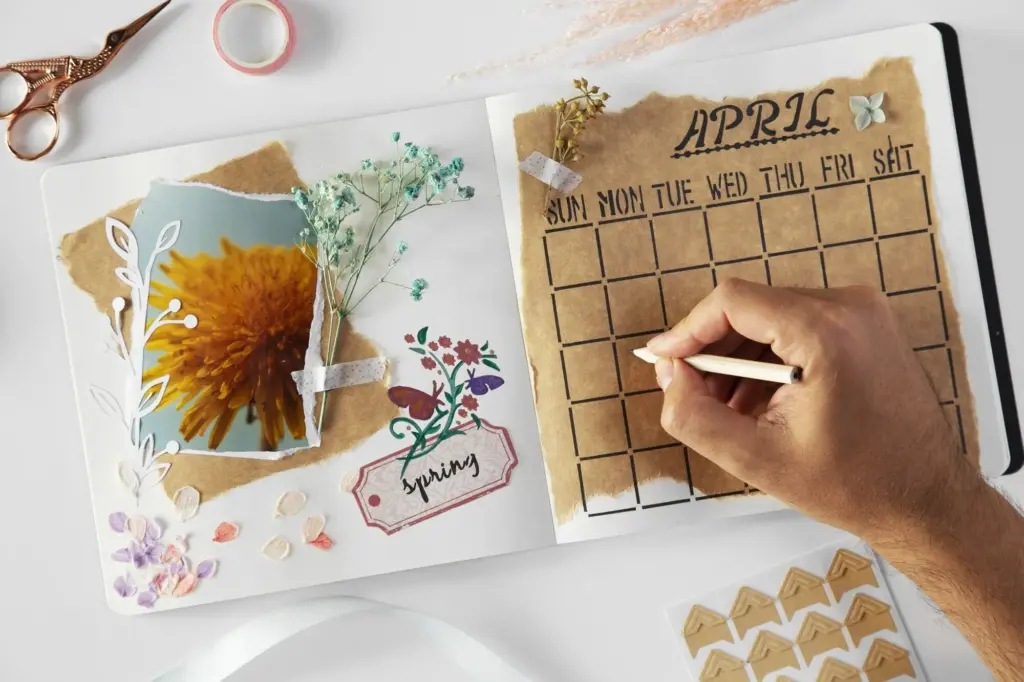
Mornings decide momentum. Begin with tactile anchors that set clarity before the world accelerates. A paper planner defines boundaries; a steaming mug marks pace; sunlight met by uncovered eyes steadies circadian rhythm. Choose three commitments, not thirty wishes. Let ink warm your focus before algorithms negotiate your attention. Ten analog minutes can reclaim the next ten hours by aligning intention, energy, and the honest limits of time.
Creative Sparks Without a Screen
Walk with a Film Camera
Load a single roll and give each frame a purpose. Slowness heightens sightlines: shadows on brick, steam above coffee, a bike’s chrome glint. Without instant previews, you commit. Later, contact sheets teach patience and composition more honestly than a thousand disposable snaps. The ritual costs a little, and that price purchases deeper looking and a more faithful memory of place.
Sketchbook on the Table
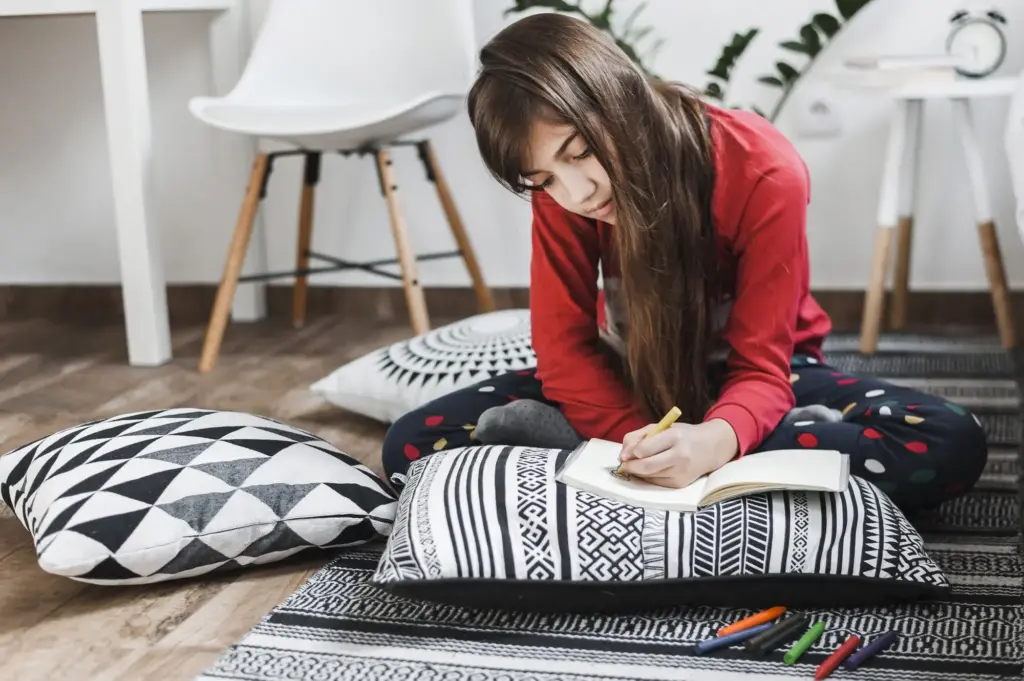
Keep a soft pencil ready by your breakfast plate. Draw your mug, your hand, the window frame. Precision is optional; presence is mandatory. Lines wobble, minds wander back, confidence returns. Over weeks the pages chart growth not just in marks, but in seeing. You’ll discover ideas with your wrist that your brain alone repeatedly misses while scrolling beautiful work made by strangers.
Sound as Texture
Place a record on the turntable or strum an unplugged guitar. The small imperfections—needle hiss, wooden resonance—invite attention that playlists often flatten. Choosing one album reduces decision fatigue, making space for depth. Let music score your making, not drown it. When the side ends, stretch, flip, and notice how the pause becomes a natural checkpoint for your evolving creative focus.
Wall Kanban with Sticky Notes
Divide a whiteboard into columns: Backlog, Doing, Blocked, Done. Write one task per sticky. Moving a note from Doing to Done feels rewarding because your hand proves motion. Bottlenecks become visible, not just felt. This board becomes a quiet meeting that never consumes your calendar, aligning teammates through shared sight, not another message thread that eventually disappears beneath newer messages.

Time Blocking with an Analog Clock
Sketch your day as wedges on paper, then align them to a desk clock with colored tabs. When the big hand enters a tab, you switch. The clock’s impartial motion enforces humane limits and interrupts perfectionism’s endless loop. By measuring in physical quarters, you learn to right-size efforts, protecting deep work and recovery with honest, memorable boundaries your body can actually sense.
The Ivy Lee Evening List
At day’s end, write the six most important tasks for tomorrow in order. Place the card atop your keyboard. Morning you meets a clear runway. This century-old practice reduces decision fatigue, curbs reactive spirals, and converts tomorrow’s fog into a sequence. Cross off, proceed, repeat. When numbers seven through infinity arrive, they wait their turn, and calm becomes the default.
Home, Family, and Shared Rituals
Analog anchors strengthen relationships by turning attention into presence. A kitchen bulletin board coordinates plans without apps. Handwritten notes tuck care into lunch bags and mailboxes. Shared vinyl listening becomes conversation, not background noise. These moments resist multitasking’s pull and remind everyone that time together thrives on undivided senses. In a house full of devices, small tangible habits knit a gentler, sturdier everyday.
Evening Closure and Lasting Archives
Days that end well begin well tomorrow. Analog closure draws a gentle line: a gratitude page, a lamp’s soft halo, and the satisfying scratch of crossing the final box. Print photos worth keeping; label, date, and file them where hands can revisit joy. As you adopt these anchors, share your rituals in the comments, subscribe for future experiments, and invite a friend to join.


All Rights Reserved.