

Quiet the Ping: Rediscover Deep Focus with Paper Planners and Bullet Journals

Between buzzing phones and blinking badges, attention gets sliced thin. Today we lean on paper planners and the Bullet Journal method to reclaim focus from constant notifications, shaping days with intention instead of reacting to every ping. Expect practical layouts, gentle rituals, and research-backed tactics that make handwriting a refuge for clarity. Bring a notebook, choose a pen you love, and let’s build a calm, accountable system that keeps priorities visible, progress tangible, and your mind refreshingly unfragmented.

Why Analog Beats Distraction in a Noisy World

In a world calibrated to capture eyeballs, analog tools add just enough friction to slow the spin. Studies suggest handwriting supports deeper encoding and reflection, while screens encourage skimming and splitting attention. Paper won’t ping, vibrate, or slide a notification over your intentions. It simply waits, patient and honest. When your priorities live in ink, context switching shrinks, decisions feel calmer, and your day regains a steady rhythm shaped by deliberate choice rather than reactive taps.

Pages that Matter: Future, Monthly, and Daily

Pages that matter are the ones you actually use on tired days. A clear Future Log protects big commitments. Monthly pages highlight anchors and true priorities. Daily logs collect frictionless bullets, leaving space for notes that clarify thinking. Keep margins for quick sketches and links. When capacity shrinks, these pages become a trustworthy scaffold. Tell us which spread you open first each morning, and why it earns that honor when energy or time runs low.

Design a Key That You’ll Use

A good key is minimal, memorable, and visually distinct. Start with a simple dot for tasks, a dash for notes, and a circle for events. Add a star for high importance and a tiny arrow for delegation or tracking. Resist symbol inflation. Fewer marks reduce hesitation, speed scanning, and build muscle memory. Print your key on cardstock, tape it inside the cover, and teach it to a friend; explaining it often exposes confusing parts to refine.

Migration as Mindset

Migration is not busywork; it is a mirror. When you move an unfinished item forward, you face the cost of carrying it again. That tiny tax clarifies intent, revealing projects that no longer deserve a place. During weekly or monthly reviews, rewrite with fresh wording, break tasks smaller, or delete them entirely. Over time, you cultivate a planner that reflects reality, not fantasy. Celebrate a courageous deletion today, and share what boundary it protected.

Paper Planner Systems That Tame Overwhelm
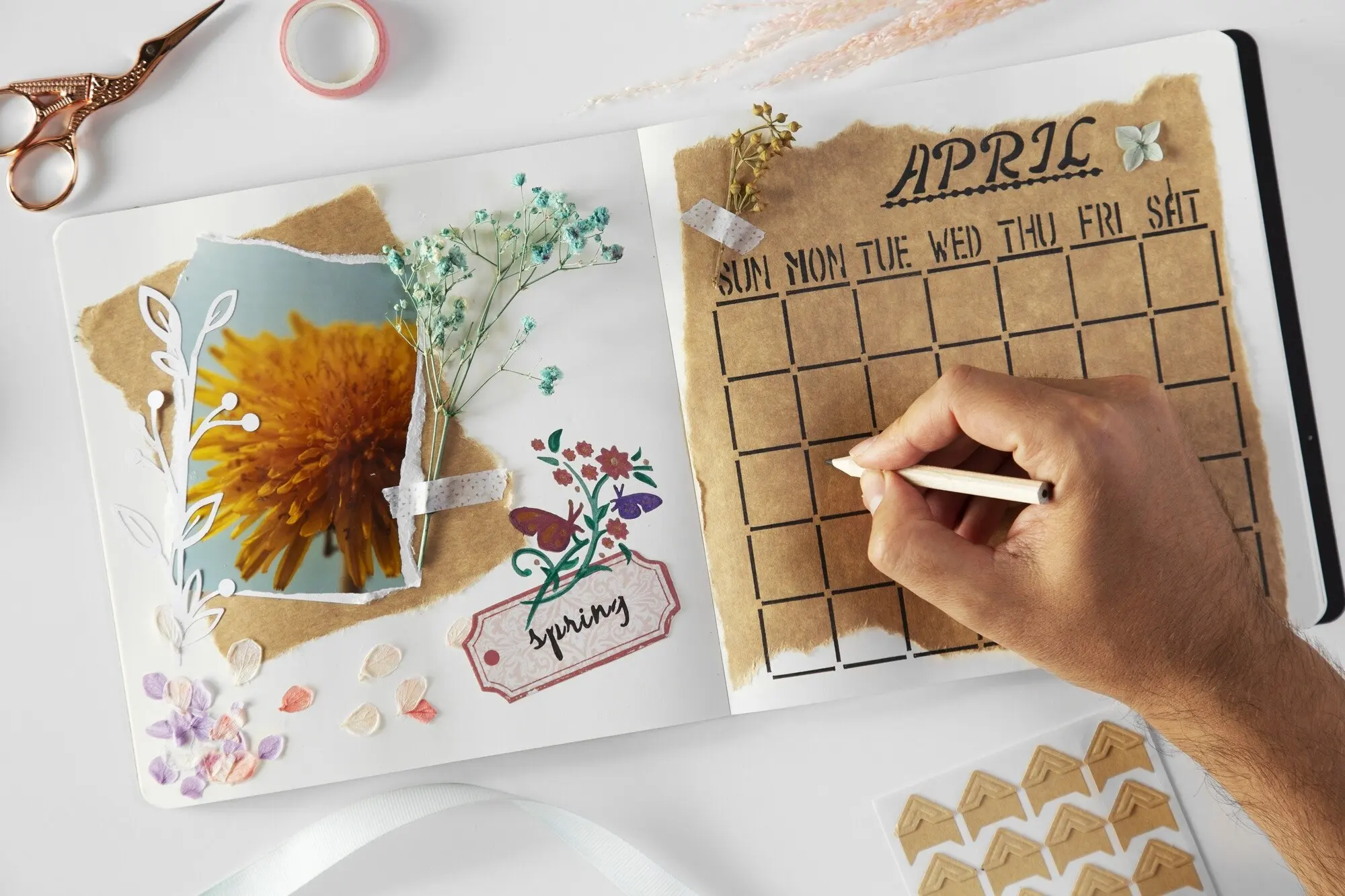
Different planners suit different brains, but shared principles tame chaos: plan at the right altitude, batch similar tasks, and guard white space. Time blocking pairs intentions with actual hours, while buffer zones absorb the unexpected. Visual priority cues prevent indecision spirals. We will combine analog structures with humane pacing so days feel full yet breathable. Expect methods that protect energy, honor commitments, and still leave you room to think, wander, and finish on time.

Rituals to Reclaim Mornings and Evenings

Bookend routines stabilize attention. Gentle mornings anchor intention before the world’s demands accelerate, while reflective evenings close loops and soothe the nervous system. Paper helps both moments stay screen-light and honest. With a warm beverage and quiet tools, you can harvest insights, plan compassionate next steps, and signal your brain it is safe to rest. Small, repeatable cues beat grand gestures; we’ll craft rituals you can keep even on your busiest days.

Design that Serves: Layouts, Spreads, and Minimalism

Pretty layouts are enjoyable, but functional layouts change behavior. Design spreads that compress decisions, visualize progress honestly, and reduce rewriting. White space is not wasted; it is thinking room. Consider legibility, lighting, and the pen that glides without smearing. Borrow inspiration, then ruthlessly simplify. Your planner should look inviting when you’re exhausted and forgiving when days shift. We will emphasize clarity, speed, and small sparks of joy that keep you returning.

Turn Pings into Appointments

Choose two or three daily inbox windows, tie them to planner blocks, and write them visibly on your page. Outside those windows, apps stay silent. Keep a capture line in your notebook for any urge to check; convert it into a task if warranted. When the window opens, clear items briskly, schedule follow-ups on paper, and close confidently. Tell us which window timing best matches your energy valleys without starving collaboration or care.

The Two-Device Strategy and Lock Screen Minimalism

A two-device approach can be transformative: a minimal phone for calls, maps, and messages, and a tablet or computer for heavy apps during planned sessions. If that’s impractical, strip your lock screen to time and calendar only. Hide addictive apps in a folder on the last screen, disable red badges, and rely on planner prompts instead. Share your most effective notification setting, including one toggle you feared changing but now celebrate daily.

Emergency Bypass without the Anxiety Spiral

Real emergencies are rare but matter. Set a short whitelist—family, caretaking, essential work lines—to bypass silencing. Everything else can wait until scheduled windows. Write your emergency policy inside your planner so you and your team share expectations. After any urgent event, use your notebook to debrief what worked, what broke, and what boundary needs repair. Invite readers to post scripts they use to communicate availability; collective wisdom reduces anxiety for everyone.