

Hands-On Focus at Work: Whiteboards, Index Cards, and Timers
Today we dive into tactile tools for the workplace—whiteboards, index cards, and mechanical timers—to cut distraction, restore steady attention, and build meaningful momentum across busy days. Expect practical layouts, tiny rituals, and stories from real teams who swapped chasing notifications for visible progress. Try a setup, share results in the comments, and subscribe for weekly experiments that keep your focus grounded, physical, and refreshingly simple.
Why Your Brain Trusts What It Can Touch
Haptics anchor intention. Writing on a surface, shuffling cards, and winding a timer recruit embodied cognition, making goals feel real and actionable. Research on handwriting and memory shows deeper encoding than typing, while physical artifacts shrink digital context switching. When you can see tasks across the room without clicking anything, you protect attention from tabs, alerts, and algorithmic detours. Tell us how touch changes your energy during demanding stretches.
Embodied Cognition at Your Desk
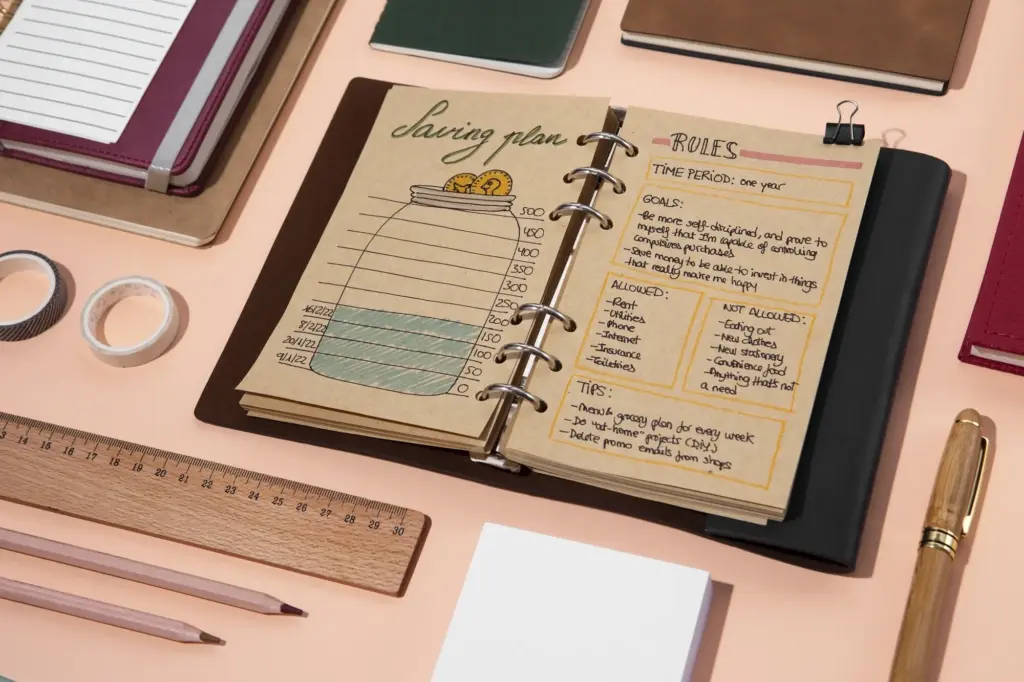
Your hands teach your mind persistence. Pen pressure and marker strokes create micro-commitments a keyboard seldom evokes. This tiny friction slows impulsive reactions, especially doomscroll habits, while rewarding decisive, visible action. Even a simple outline on a whiteboard can interrupt rumination, signaling progress to your nervous system. Share moments when tangible marks calmed mental noise and made next steps obvious, even under chaos.

Offloading Working Memory, Without More Tabs
Index cards and wall boards act as external RAM, holding intentions without consuming mental bandwidth. Instead of parking everything in another app queue, move key steps onto cards within reach. The clarity reduces task switching and frees you to focus on real cognitive work. Photograph cards for archiving later, but keep decision points physical while you execute. What task felt lighter once it lived on a card?
Whiteboards That Fight Digital Overload
A visible board turns invisible obligations into shared, navigable work. With lanes for Now, Next, Later, and Blocked, teammates align without a meeting invite. Erasable space invites updates, preventing backlog fossils from quietly expanding. Stand near the board to decide, then return to your keyboard to deliver. Photograph at day’s end for documentation. Comment with your favorite marker colors, sizes, and grid hacks for clean, legible flows.
Design a Focus Wall That Guides Choices
Split the board into three commitment levels, then cap each lane to resist overload. Use thick markers for headlines, thin for sub-steps, and magnets or sticky notes for owners. Keep milestones high, tasks mid, and metrics small but visible. Add a daily intent corner, rewritten every morning. This simple arrangement nudges conversation toward trade-offs, not wish lists. Share a picture of your wall layout and what changed first.
Stand-Up Rituals Without Slides or Tabs
Gather at the board for ten minutes, facing actual work rather than screen abstractions. Each person points, speaks briefly, and moves a card if reality shifted. No screen sharing, no detours, only what’s on the surface. The posture alone tightens updates and sparks useful questions. End by highlighting one blocker and one must-finish card. How short can your stand-up become before quality suffers? Report your best time.
Erase to Reset, Not to Forget
Erasing is powerful when it marks completion, not disappearance. Before wiping, capture a quick snapshot, annotate outcomes, and store it in a dated folder for traceability. Then clear the square fully, acknowledging psychological closure. This reset prevents ghost tasks from haunting tomorrow’s plan. Teams who celebrate the wipe report higher morale and steadier throughput. What framing or ritual makes erasing feel satisfying instead of scary?
Index Cards: Portable Clarity in Your Pocket
Cards travel where laptops hesitate: hallways, stairwells, and impromptu conversations. Their small canvas forces brevity, preventing bloated tasks from sneaking in unexamined. Shuffle to prioritize, clip to group, or spread them like a map to see dependencies instantly. A ring, wallet, or rubber band becomes your mobile backlog. When a thought arrives mid-walk, capture and continue. Post your favorite card size, stock weight, and go-to pen.

Mechanical Timers and the Sound of Progress
Ticking adds rhythm, not stress, when you choose durations that fit the work. Wind to commit, flip to begin, ding to review. The kinesthetic ritual differentiates focused time from casual clicking. Visual dials and audible cues support neurodiverse colleagues who benefit from external structure. Keep phones out of reach; let the device define the boundary. Comment with preferred models, volumes, and intervals that keep you energized without burnout.
Bridging Analog and Digital Without Losing Focus
{{SECTION_SUBTITLE}}

Daily Snapshot and Lightweight Archiving
Stand back, capture the entire board, and save the image with a date stamp and sprint label. Add a two-sentence summary inside your notes app. Link card IDs to issues only if they remain active tomorrow. This lightweight flow preserves history without trapping you in admin spirals. What naming convention made past snapshots easy to find, audit, and learn from during retrospectives or onboarding new teammates quickly?

Calendar Anchors, Not Calendar Prison
Block recurring focus intervals as appointments with yourself, attached to card IDs. Keep them movable but protected. During planning, place hardest work before noon if possible. Avoid sprinkling tiny slots everywhere; stack intervals to reduce ramp-up costs. After each block, jot a one-line outcome. Which calendar rules help you defend creative energy while still respecting meetings, collaboration windows, and seasonal fluctuations in team demand?
Team Habits That Make Focus a Shared Asset
Begin with a quick primer on embodied focus, then co-create a simple board and build five sample cards. Run a ten-minute timer sprint to experience the rhythm. End by choosing one norm to trial for seven days. Keep artifacts visible. Publish a tiny playbook afterward. What surprised people most about seeing work physically? Collect quotes, and share your favorite in the comments to inspire hesitant peers.
Adopt quiet intervals with clear desk signs, no Slack during sprints, and designated check-in windows for questions. Limit active cards per person to protect quality. Use a daily intent corner to advertise priorities openly. Encourage graceful resets after mistakes. Recognize pioneers who tidy lanes. These guardrails feel respectful because they protect time to do excellent work. Which rule earned unanimous support, and why did it stick?
Run a weekly fifteen-minute retro at the board: keep, tweak, drop. Ask which card wording reduced ambiguity most, and which intervals felt mis-sized. Log one micro-experiment for next week. Over time, rituals refine themselves into reliable calm. Publish outcomes so newcomers can adopt quickly. What experiment taught you the most surprising lesson about your own attention patterns and energy across different kinds of creative or analytical tasks?

Troubleshooting: From Wallpaper Boards to Timer Fatigue
Every tool can drift into background noise. Whiteboards become wallpaper when lanes overflow, cards multiply, and updates lag. Timers create anxiety if durations mismatch task complexity. Cards sprawl without ruthless pruning. This guide rescues signal from clutter with constraints, resets, and gentler cadences. Tell us your trickiest snag, and we’ll suggest a tiny diagnostic experiment you can run tomorrow morning before meetings begin.
If nobody glances at the board, cut work-in-progress limits in half and archive stale items immediately. Introduce bold headers and weekly color codes to restore meaning. Schedule a two-minute daily sweep: remove duplicates, rewrite vague verbs, and reorder lanes. Celebrate each visible improvement publicly. When a surface earns attention again, momentum returns. Share a before-and-after snapshot to help others believe a messy wall can recover.
A bloated stack hides choices you are avoiding. Hold a ruthless triage: keep, clarify, kill. If a card resists a concrete verb and clear outcome, defer or discard. Promote only five to active status. Consider a Someday box with a monthly review date. The lightness is energizing and honest. Describe the toughest card you finally cut, and how it freed capacity for work that truly matters this quarter.

All Rights Reserved.